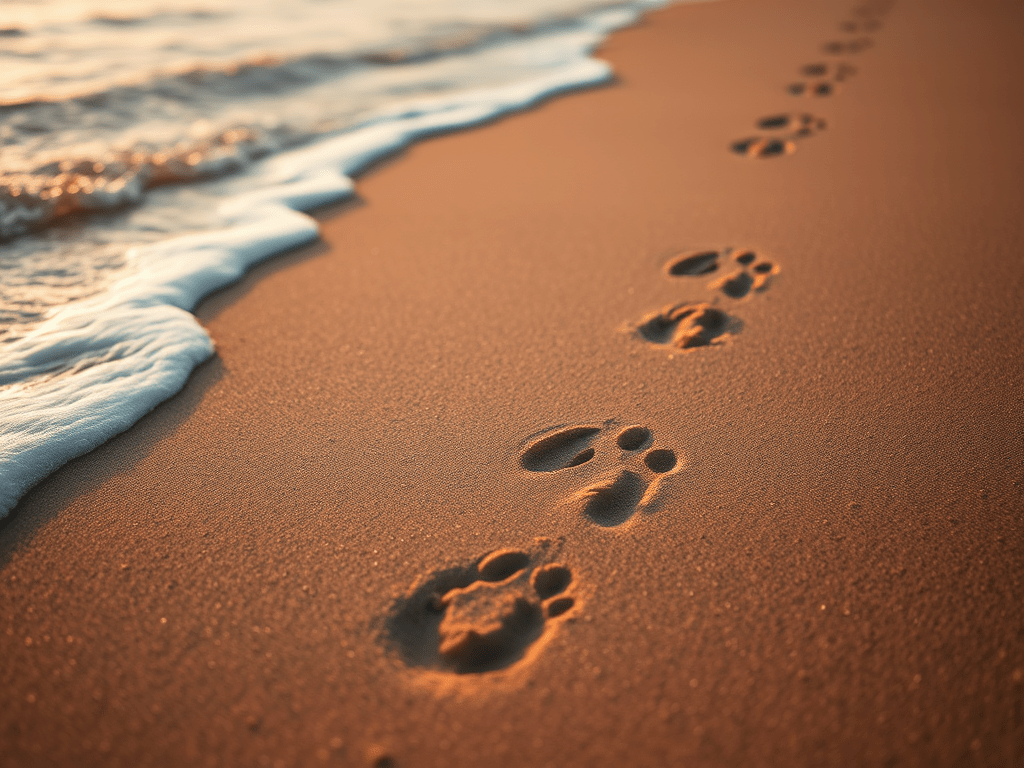
The sand yielded beneath my feet, each step leaving an imprint that the morning tide would soon erase. I had walked on beaches countless times before, but this was different. This morning, I wasn’t just walking—I was feeling. Feeling the weight of my body pressing into the earth, feeling the cool grains shifting beneath my soles, feeling present in a way I hadn’t in years.
This moment of barefoot wandering came ten days into an unexpected journey to Kayamkulam, Kerala—a journey born not from vacation plans, but from pain and a difficult choice.
The Decision
My wife had been suffering from back pain since August. We’d consulted numerous doctors, tried various treatments through Biopeak’s holistic approach, attempted physiotherapy and neurotherapy—anything to avoid painkillers. But when the pain became unbearable, our family Ayurvedic doctor said what we’d been avoiding: “Consult an orthopedic. If it’s severe, you may need surgery.”
The MRI revealed the truth: disc herniation between L4 and L5, pressing on nerves at 90%. Her leg and glutes had lost strength, consumed by relentless pain. The orthopedic surgeon’s recommendation was clear—surgery, and soon.
But then came a conversation with Mike, my friend from the IIMB Orators Club. “There’s a spine therapy clinic near my village,” he said. “They’ve helped people recover from extremely severe conditions.”
I stood at a crossroads.
Option One: Surgery. One day in hospital, two weeks recovery at home. Insurance covered. Minimal disruption. Quick fix.
Option Two: Twenty days in Kerala, plus four days of travel. My kids alone with my mother. My son’s board exams starting in January. No insurance coverage. And in the middle of it all, uncertainty.
Logic pointed one way. But something deeper pulled me another. Surgery would fix the immediate problem, but would it heal? The Ayurvedic treatment promised nothing except time, discipline, and the possibility of true healing—treating the root cause, not just the symptom.
I chose Kerala.
The Journey
On December 17, 2025, we left Bangalore at 5 AM. Mike had been invaluable, guiding me through every detail—the route, rest stops, shortcuts. Fourteen hours of driving brought us to the Centre for Spine and Neuro, a place run by Dr. Unni Gopalakrishnan and his family since 1933.
Dr. Unni was unlike any doctor I’d met. Calm, soft-spoken, he made no grand promises. “It will be a long and painful process,” he said simply. In a world of overpromises and instant solutions, his honesty felt almost radical. Strict diet. Sleep on a simple mat, no mattress. Patience.
It sounded uncool. But it sounded trustworthy.
The treatment began. Sunrise to sunset, a rhythm of traditional Kerala therapies. She couldn’t take a single step without support at first. Slowly, painfully, she began to walk. The pain persisted, but progress emerged.
Meanwhile, I mentioned my own leg and neck pain to Dr. Unni. “You’re developing rheumatism, like your father,” he said with quiet certainty. He prescribed medicines and a strict instruction: no fish, eggs, or dairy. And one more thing—”Walk barefoot on sand or mud.”
The Beach
For ten days, I stayed by my wife’s side. But one morning, I remembered Mike’s warning about snakes entering unused cars and decided to take it out for a drive. That’s how I found myself heading to Azheekal Beach, fourteen kilometers away.
As I drove through narrow Kerala roads flanked by greenery, crossing backwaters that shimmered in the morning light, Mirza Ghalib’s words—transformed by Gulzar for the film Mausam—played in my mind: “Dil dhoondta hai phir wohi phursat ke raat din.” The heart is searching for those relaxing days.
I almost didn’t pay the 30 rupees for parking, thinking I’d leave in minutes. But I did. And I’m glad.
The beach was nearly empty—just two or three families dotting the shore. I removed my shoes and stepped onto the sand.
That’s when it happened. That sensation. That presence. My foot pressing down, the sand yielding, the earth receiving my weight. It was simple. It was profound.
Life had slowed in these ten days. With work on pause and no urgent calls demanding my attention, I’d been forced inward. Questions arose that the noise of daily life usually drowns out. My priorities shifted from external to internal. I wasn’t fixing problems; I was sitting with them. I wasn’t rushing to solutions; I was understanding root causes.
Treatment vs. Healing
As I walked that empty beach, a thought crystallized: We live in a world obsessed with treatment, not healing.
Treatment is about fixing issues as quickly as possible. Healing is about addressing root causes, taking whatever time is necessary to get it right. We want immediate relief from pain, not the patient work of understanding why the pain exists.
It’s not just personal health—it’s everything. In our world, we’re more interested in stopping issues than solving problems. We reach for quick fixes, temporary patches, surface-level solutions. We mistake efficiency for effectiveness.
But standing there on that beach, feeling the earth beneath my feet, I understood something: Sometimes the longer path is the wiser one. Sometimes slowing down is the only way to move forward. Sometimes healing requires us to be uncomfortable, uncertain, and patient with the process.
My wife still has pain. The treatment continues. I don’t know how this story ends.
But I know that for the first time in years, I felt my feet on the sand. Really felt them. And that itself felt like healing.
Sometimes the most profound journeys aren’t the ones we plan, but the ones that force us to stop, slow down, and rediscover what it means to be present—one footprint at a time.
 Life as Sakti
Leave a comment