Poetry Collection Series

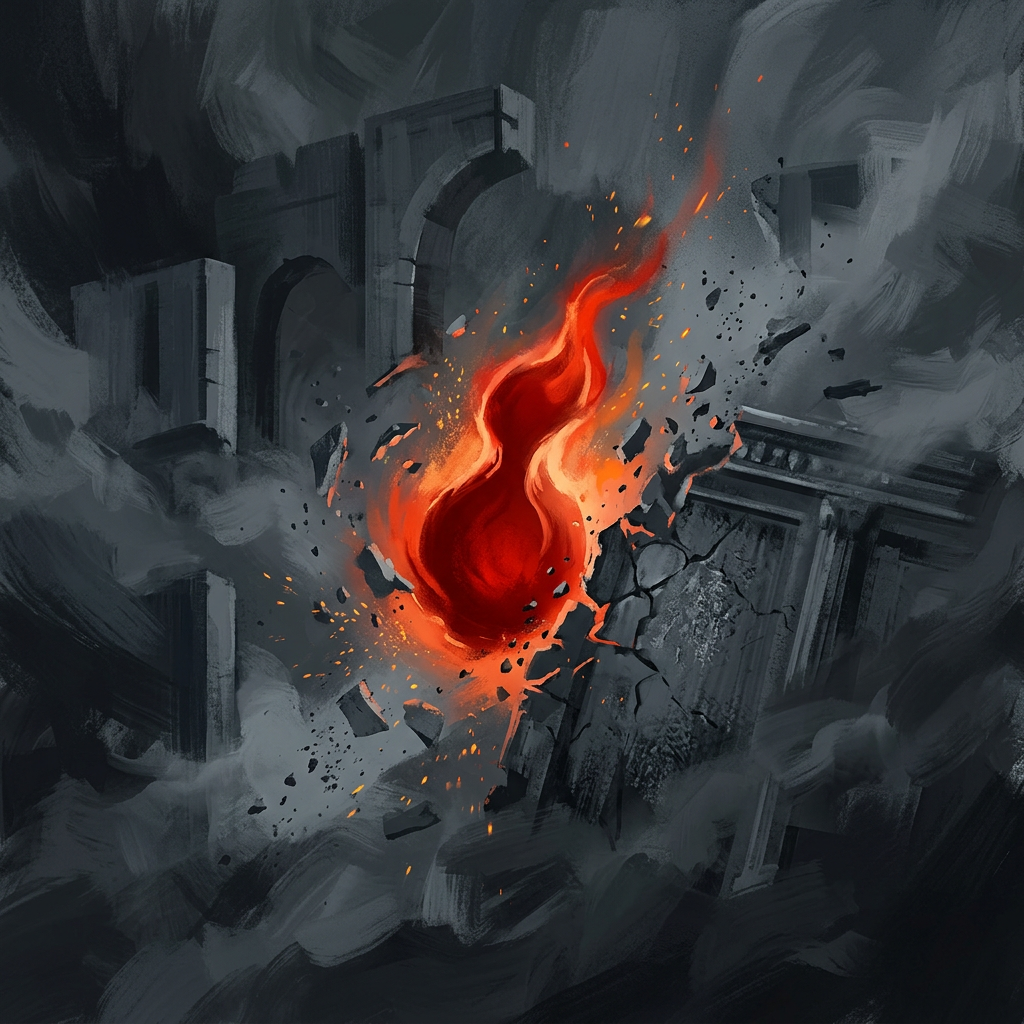
Kazi Nazrul Islam asked his own soul to come back, and the soul he called was not a gentle one. “Aay re aabar aamar chiro-tikto pran” translates roughly as “Come again, my ever-bitter soul.” It is not a plea for peace. It is a summons to a fight.
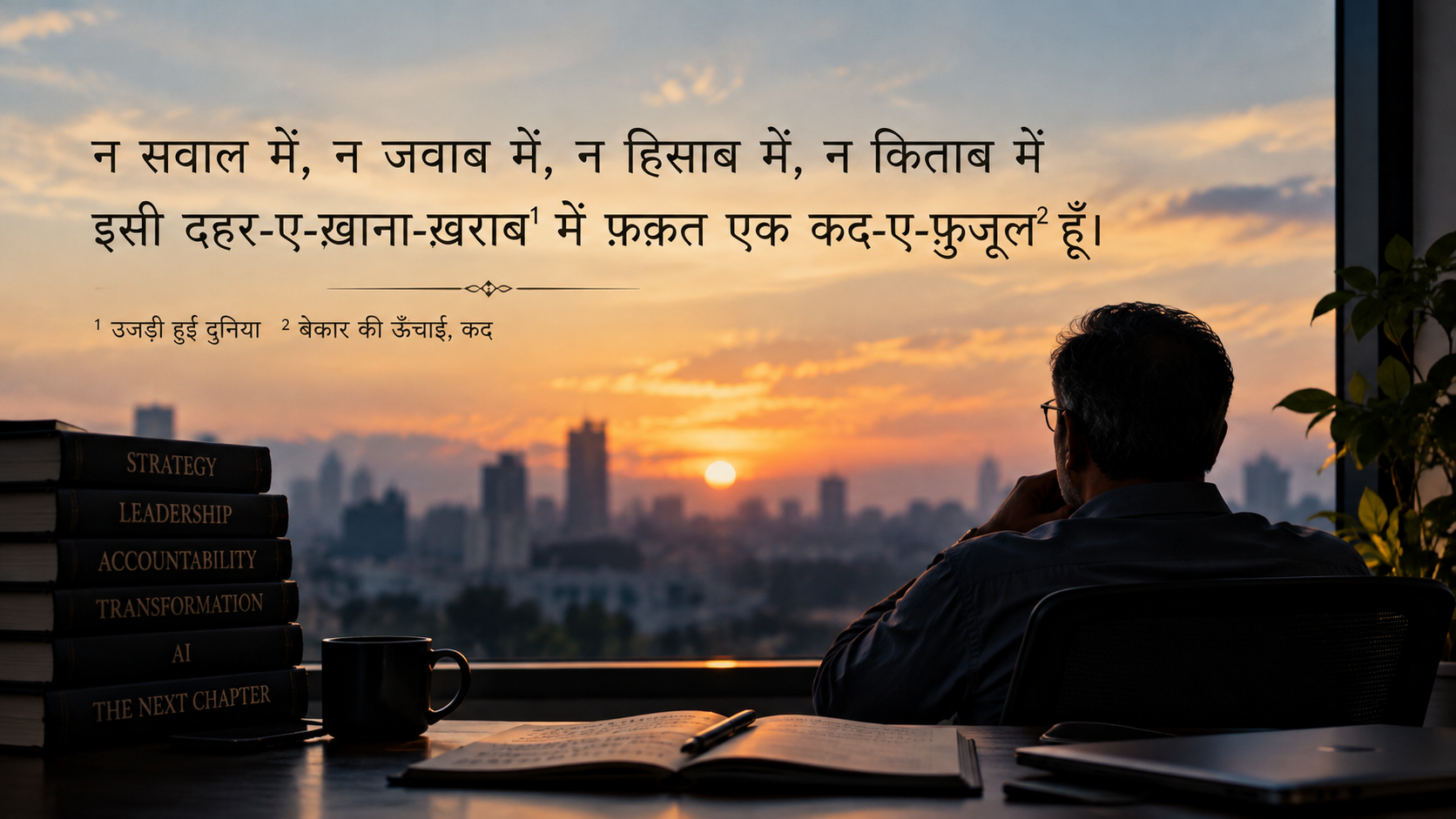
My father was a very sophisticated book collector and reader. His collection included books that I read and enjoy in every stage of my life. Today I picked the Nazrul collection from the library and the first poem was “Aay re aabar chiro-tikto pran”. Its tough, harsh and true. I kept the book down several times to get myself to the context when this was written but it was not tough. 102 years later I feel we are in a simmilar context and we can appreciate this poem better than ever.
The poem and its moment
The poem appeared in 1924 in Bisher Bashi, “The Poison Flute”, at the height of resistance to British rule in India. The collection itself carried that sting: it was banned by the colonial government. Nazrul, the rebel poet (Bidrohi Kobi), was writing for a country that was being told to be patient and grateful.

What the poem is saying
Read as a whole, the poem is an argument with the self. The speaker addresses a soul that has been hurt, that sulks in its own pride, that goes looking for shade and finds the sun still burning overhead. Stanza by stanza, Nazrul takes away every consolation the soul reaches for.
- Comfort is a false shelter. The garden, the cosy home and the borrowed shade are the things the soul is told to burn, because they are what keep it passive.
- The soul is fire, so it cannot ask water for mercy. Looking for gentleness from the world is a category error; what you are cannot be soothed by what you are not.
- Soft love is not the soul’s currency. Even tenderness turns into a wound when offered to a spirit this intense. The poem is harsh on the speaker’s own softness.
- Small love must go. The closing call is to drop petty attachments and take up a larger fire, with the image of the serpent-mother calling her child home.
The imagery is relentless: serpents and venom, flame and thunder, and the destructive aspect of Shiva, Rudra. Nazrul is not romanticising violence for its own sake. He is turning personal bitterness, which usually collapses into self-pity, into direction. The grief is real; the poem refuses to let it stay private and passive.
Why it still reads like today’s news
A hundred years on, the idea of a quiet, detached life looks like a dangerous hope. War, discrimination, corporate exploitation and deep economic insecurity are not background noise; they shape ordinary lives. The ecological crisis adds a quarrel with nature itself, where survival asks for active resilience, not passive trust.
Nazrul’s call to the bitter soul, read today, is a call to discard fragile illusions of safety and to be ready to stand firm: against large systems, against hard social conditions, and against the plain difficulty of existing.
A caution worth keeping
It is easy to love this poem for its fury and miss its discipline. Nazrul does not tell the soul to stay bitter forever. He tells it to convert bitterness into purpose, and to give up the small comforts that make us stop. That distinction matters for anyone who leads people or carries responsibility: anger without direction burns the house down, and anger with direction clears the ground.
A question to sit with: which comfort are you holding on to that the work in front of you has already outgrown?

Leave a Reply